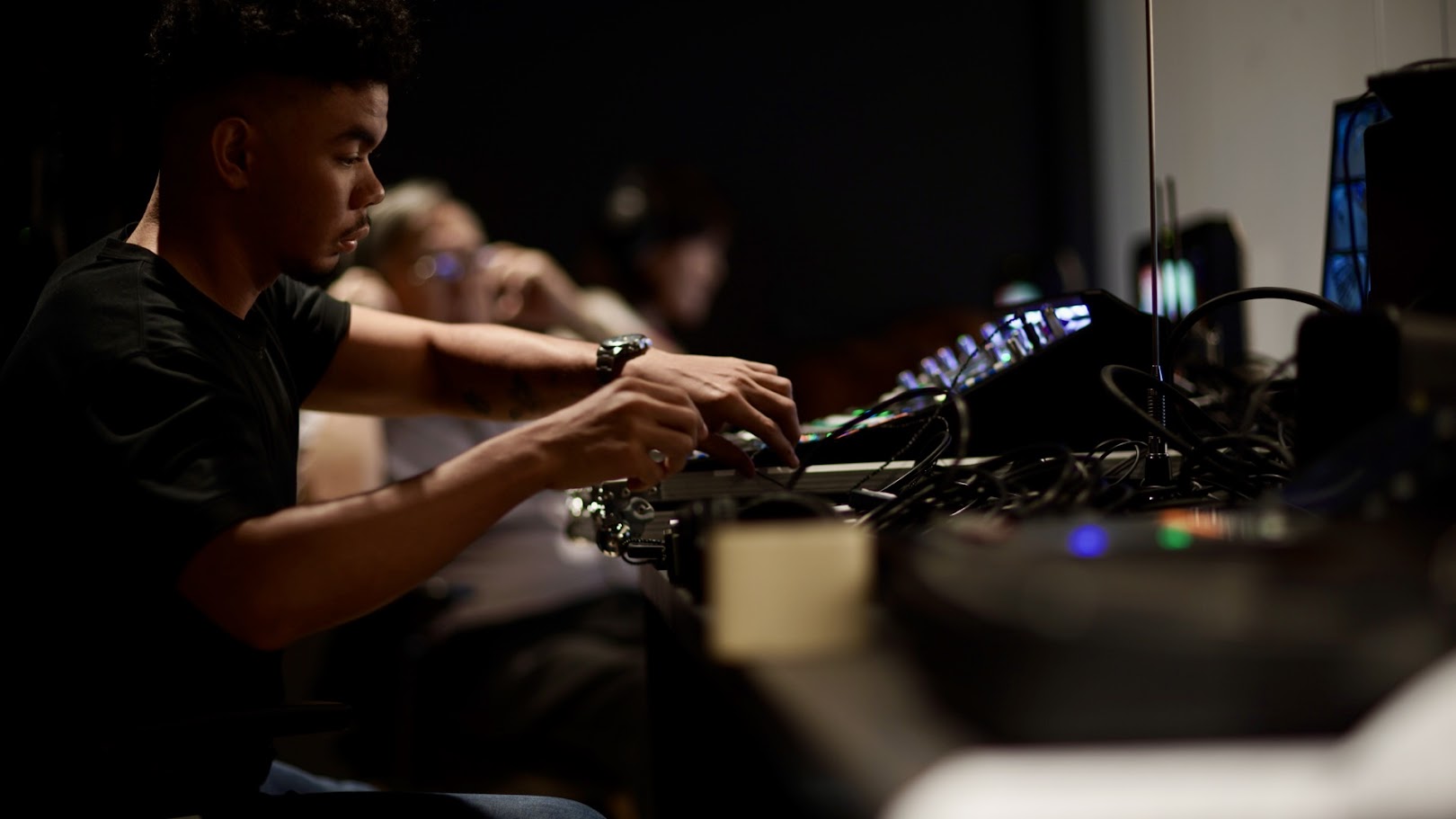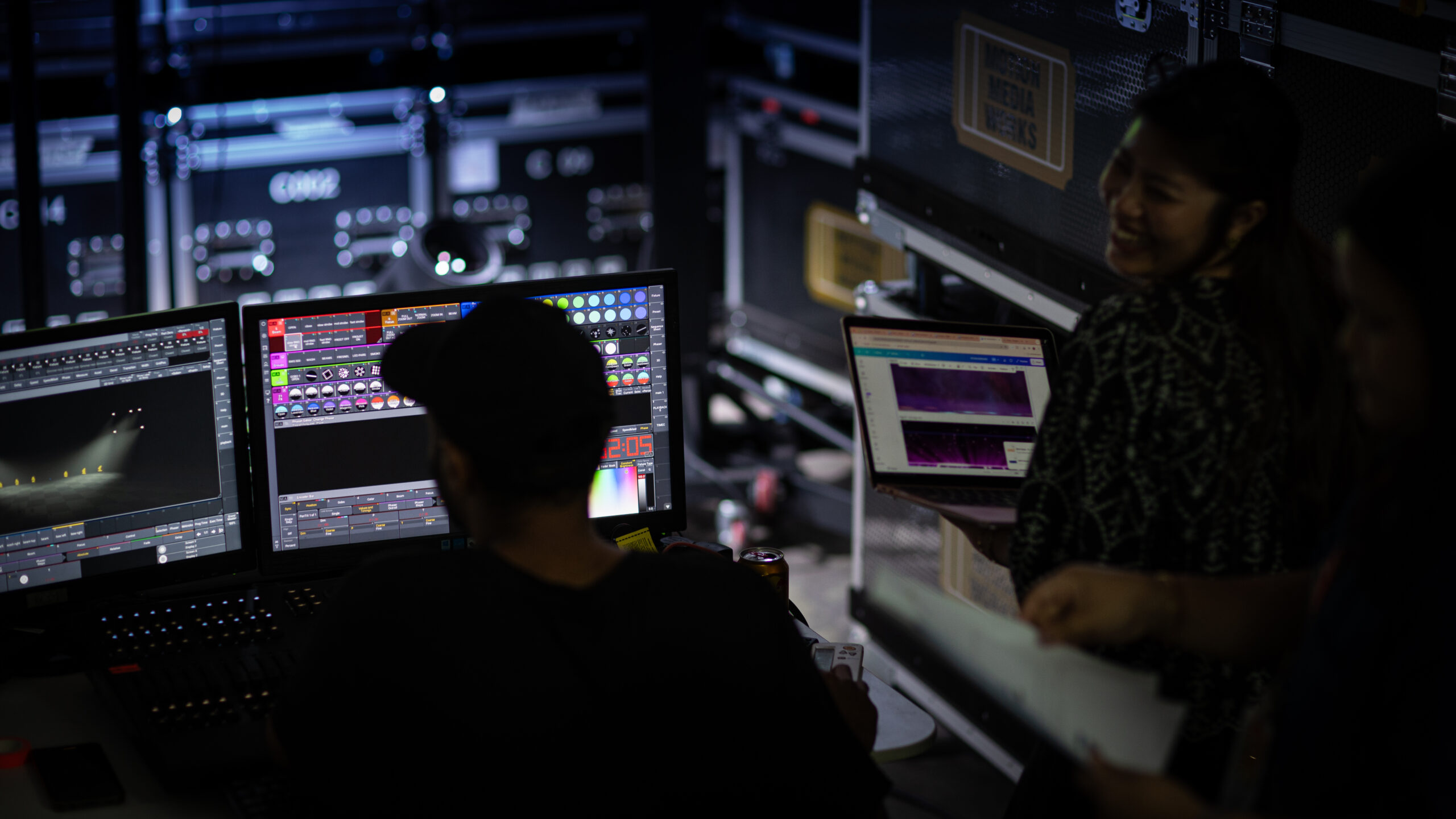
What Working in Live Events Is Really Like (No Sugarcoating)
Live events look smooth from the outside.
Lights are on. Audio is clear. Everything runs on time.
What most people don’t see is what it takes to make that happen.
The Hours Can Be Long
Event days don’t follow a standard schedule.
You may start early in the morning for setup,
work through the day,
and finish late at night after teardown.
Some days are short.
Some days are not.
This is not a fixed 9-to-5 role.
The Work Is Physical
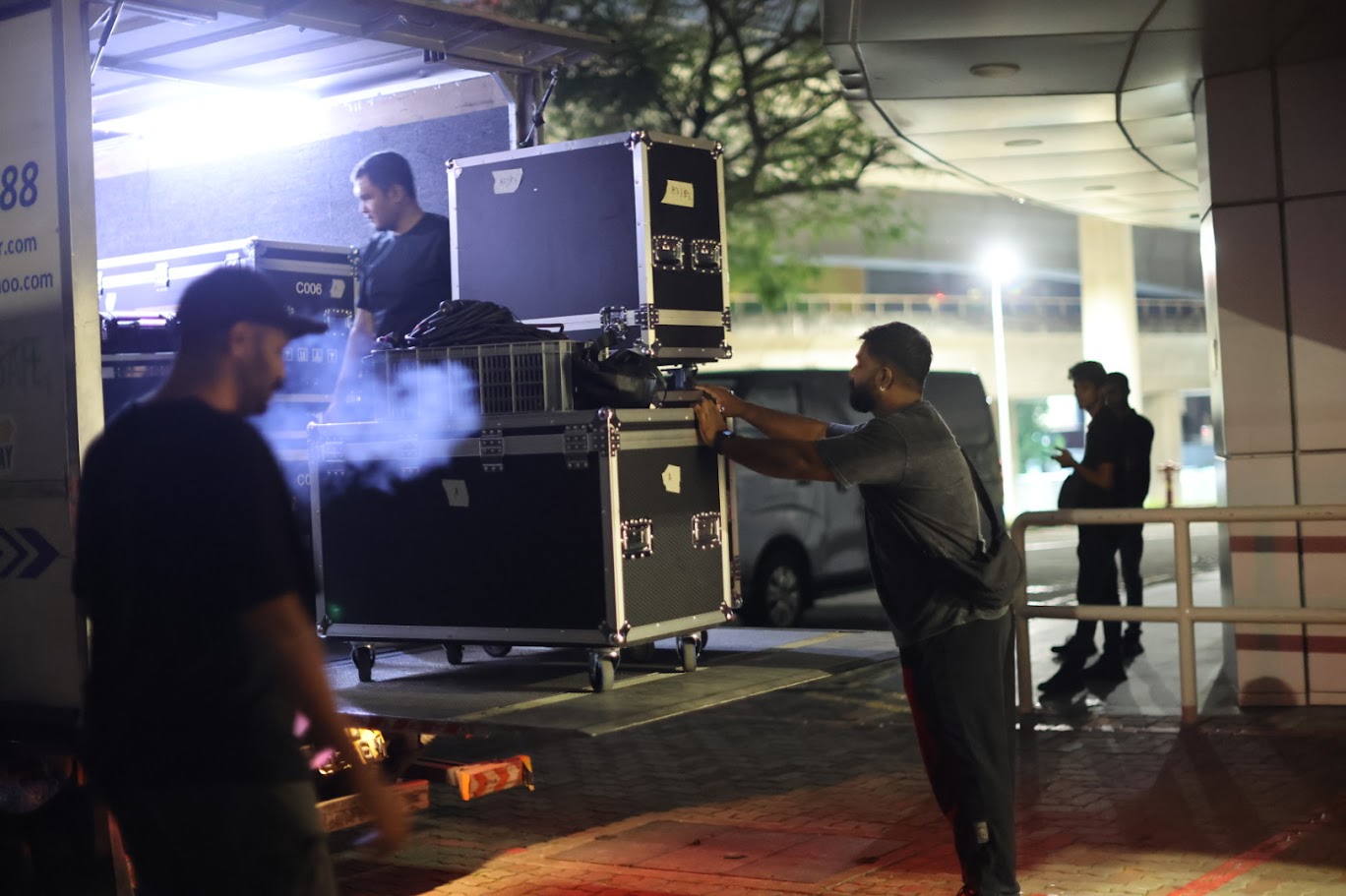
A big part of the job is hands-on.
- Lifting equipment
- Running cables
- Setting up and tearing down systems
- Moving quickly between tasks
It can be tiring, especially on long days or multi-day events.
Things Don’t Always Go According to Plan
No matter how well something is planned,
there are always last-minute changes.
- Timelines shift
- Requirements change
- Equipment behaves unexpectedly
You need to be able to adapt without slowing everything down.
There Is Pressure, Especially During Showtime
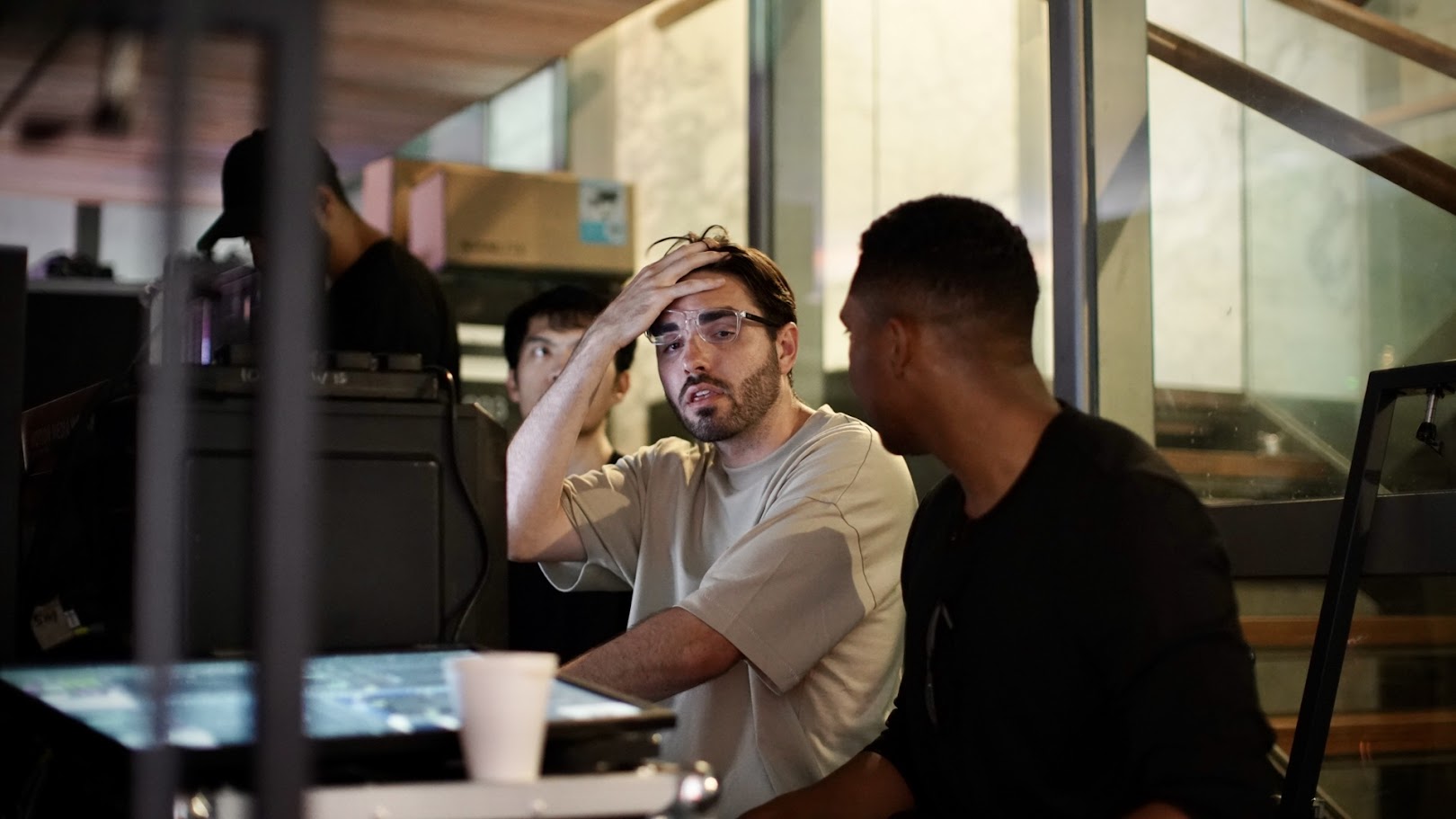
When the event is live, there is no pause button.
If something goes wrong:
- It needs to be fixed immediately
- People are watching
- The pressure is real
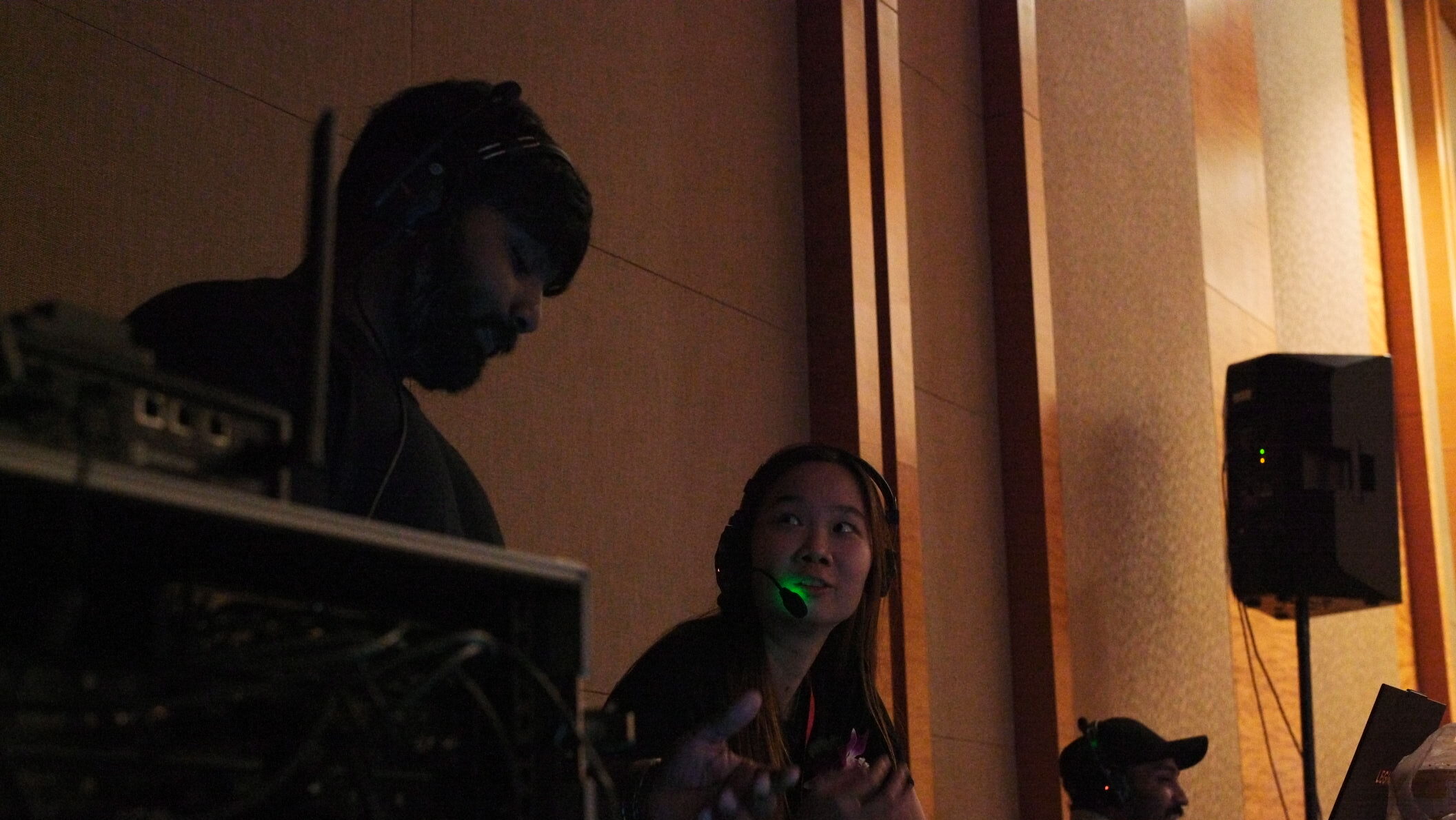
We often work with C-suite executives and top corporate brands.
That means expectations are high, and there is little room for visible mistakes.
This is why we place strong emphasis on grace under pressure.
You Need to Be Reliable
Events are team-based.
If one person is late or unprepared, it affects everyone.
Being reliable means:
- Showing up on time
- Being ready to work
- Following through on what you’re assigned
This is a basic expectation, not a bonus.
You Will Be Constantly Learning
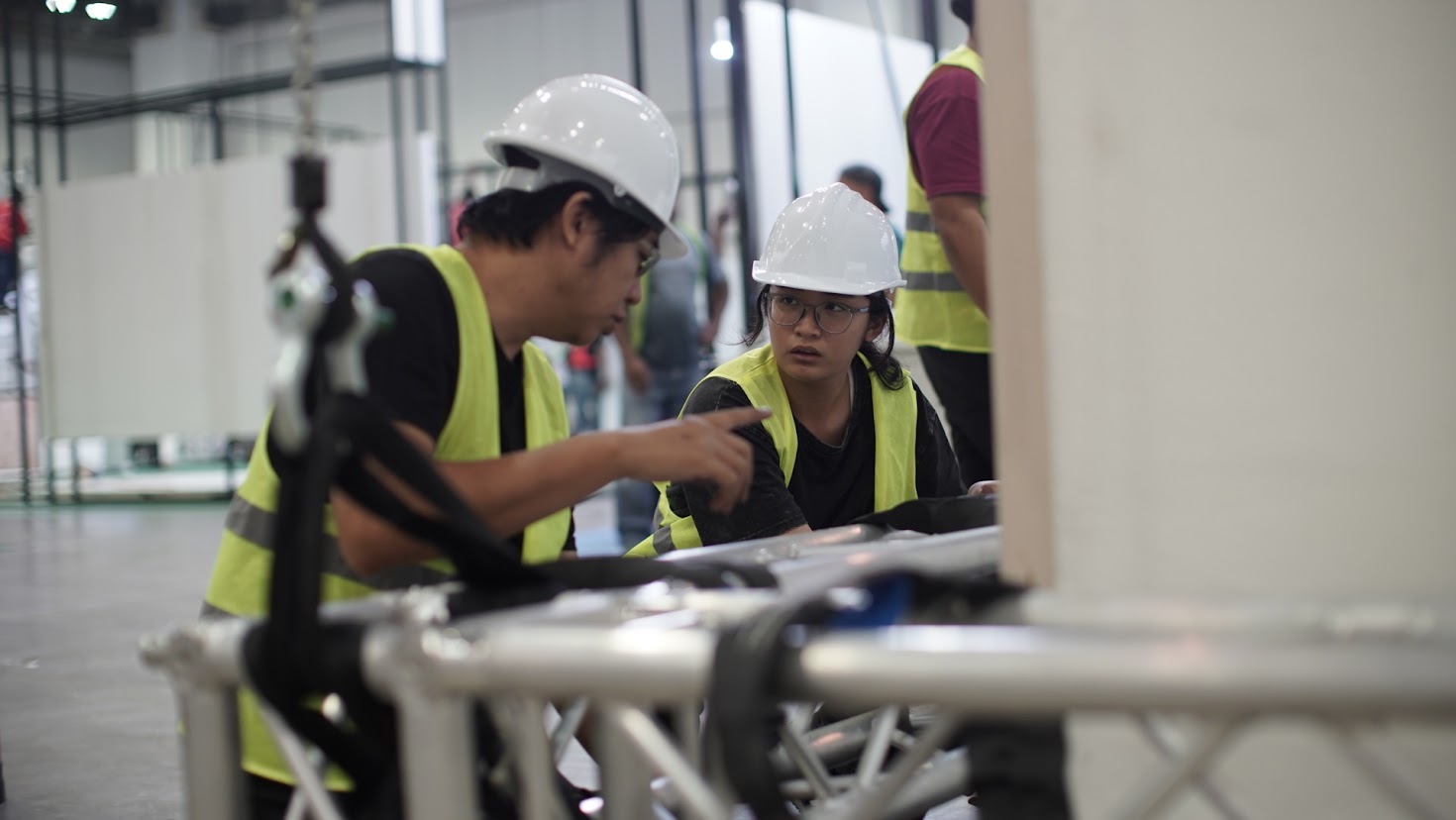
No two events are exactly the same.
You’ll be exposed to:
- Different setups
- Different challenges
- Different ways of solving problems
If you pay attention, you will improve quickly.
If you don’t, you’ll stay at the same level.
The Work Can Be Demanding, But It’s Also Rewarding
There’s a reason people stay in this industry.
You get to:
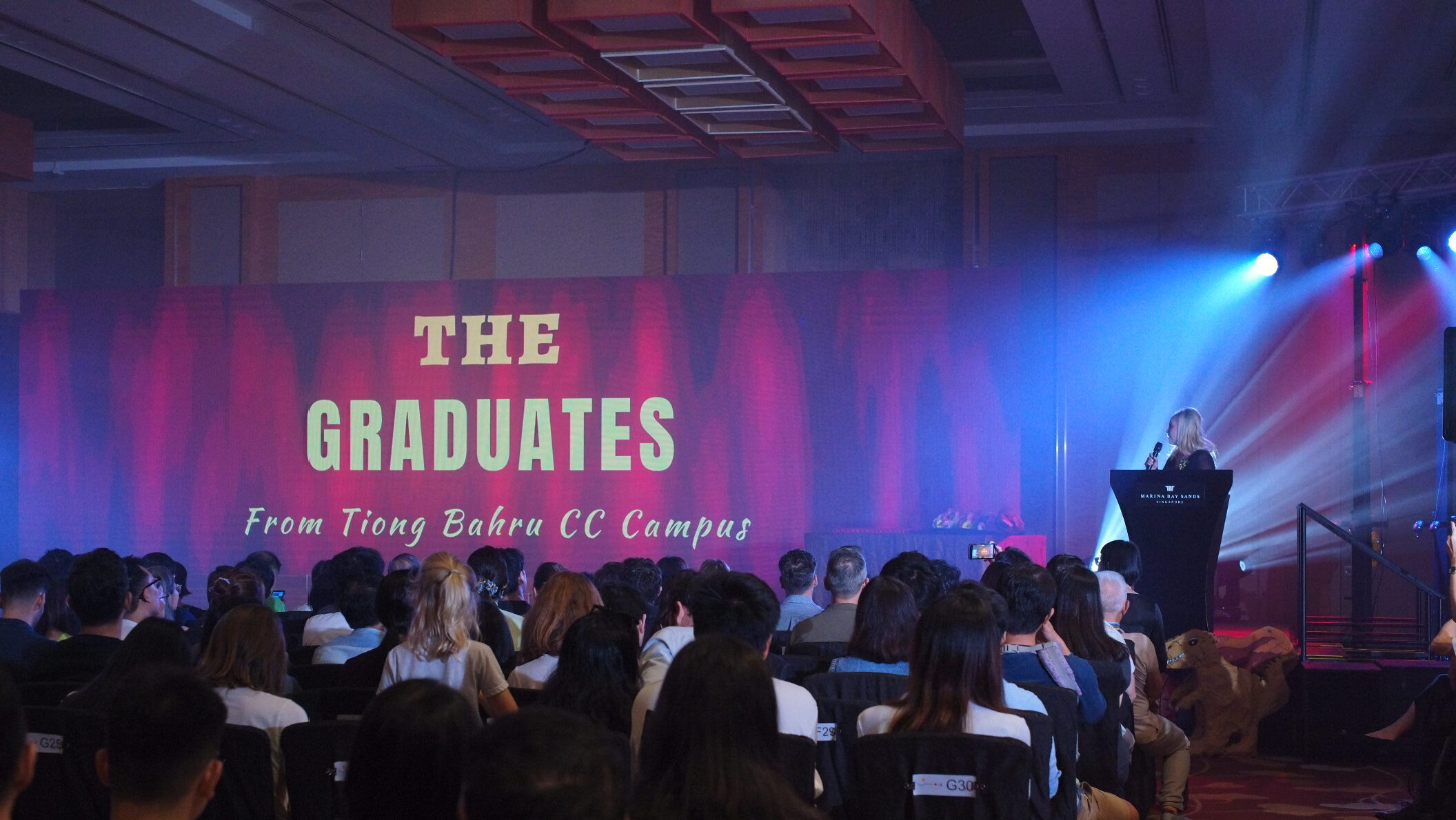
- Be part of real, live productions
- Work with a team to deliver something under pressure
- See the result of your work immediately
When everything comes together,
there is a level of satisfaction that’s hard to get from routine work.
This Is Not for Everyone
Some people try this and realise it’s not for them.
They don’t like:
- The hours
- The pressure
- The physical nature of the work
That’s completely fine.
Who This Is For
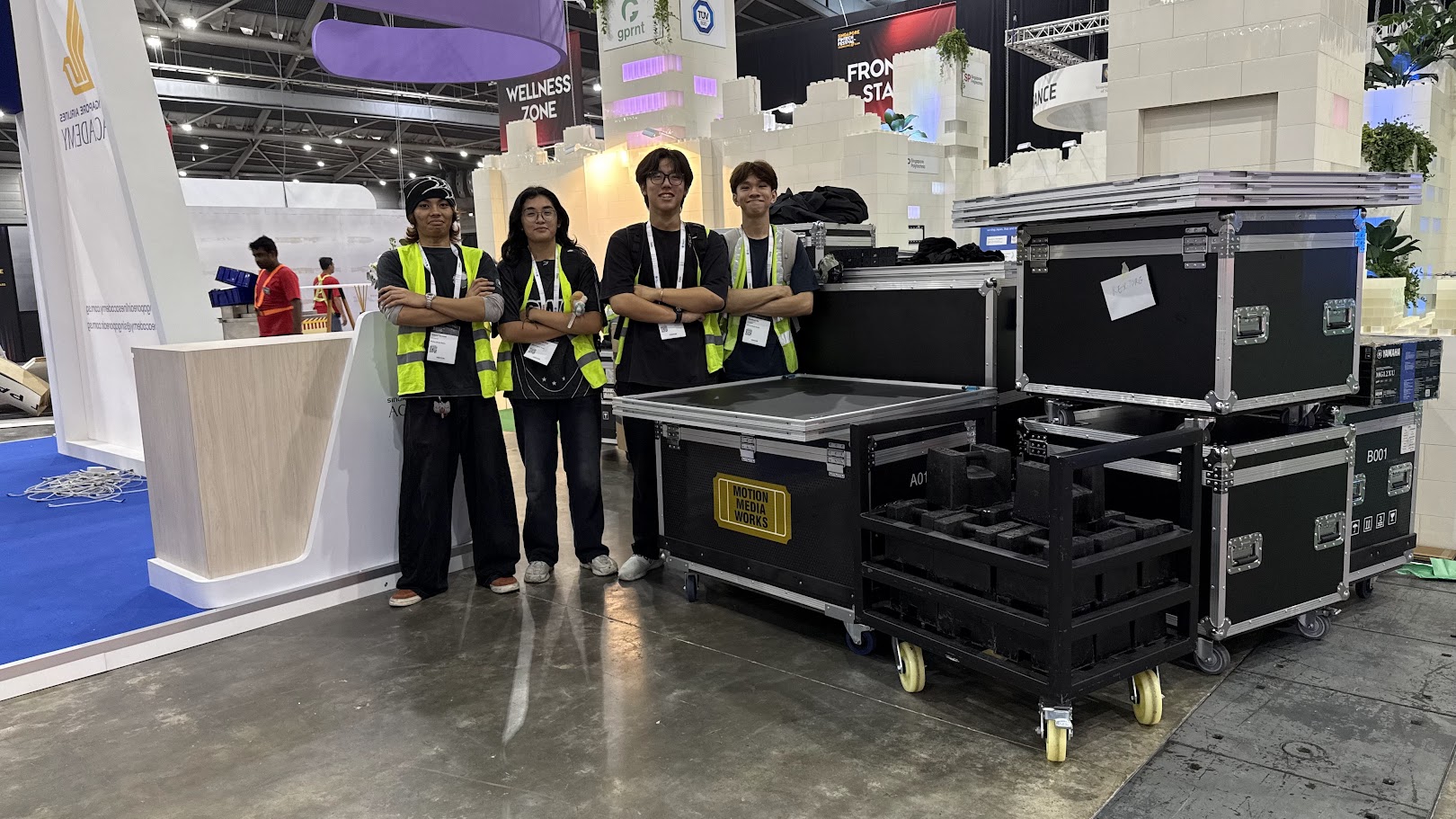
This role suits people who:
- Stay calm under pressure
- Don’t mind hands-on work
- Learn quickly
- Take responsibility
- Want to improve and grow over time
The Bottom Line
Working in live events is demanding.
It requires effort, discipline, and the ability to perform under pressure.
But for the right person,
it’s also one of the fastest ways to build real-world skills and grow.
You don’t get promoted by time.
You move up when you can carry more responsibility and deliver outcomes.
If that’s something you’re looking for,
this could be the right place to start.