Most jobs teach you how to do one thing.
Event AV is different.
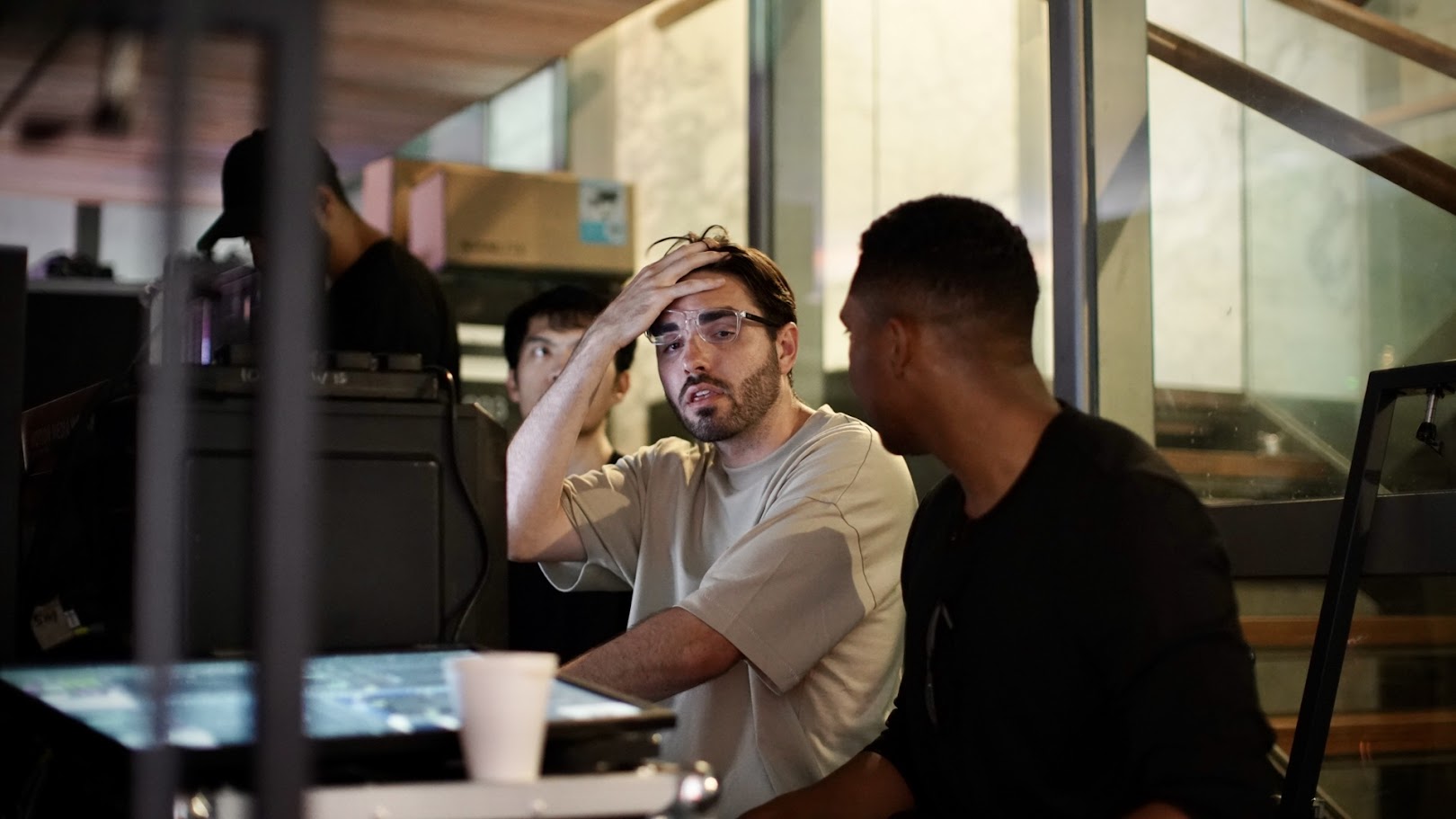
When you’re working on live events, things don’t always go as planned.
Systems fail. Timelines shift. Pressure builds.
And that environment forces you to develop skills that go far beyond just technical knowledge.
Technical Skills (The Foundation)
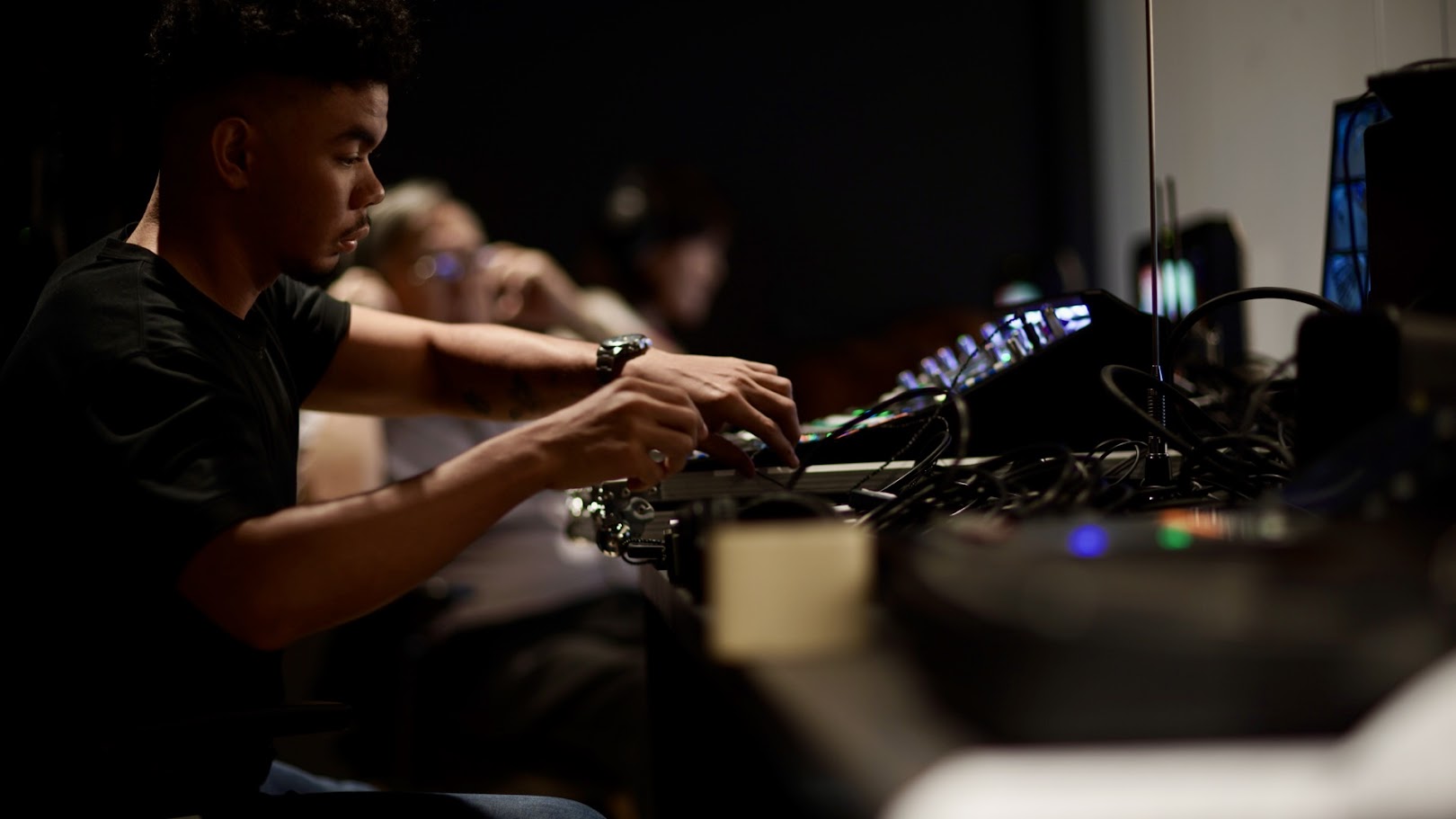
You’ll gain hands-on experience with real systems, not theory.
- Audio systems, microphones, and signal flow
- Video systems, displays, switching, and routing
- Livestream setups and hybrid event workflows
- Equipment setup, troubleshooting, and system integration
You won’t just learn how to use equipment.
You’ll understand how different systems connect and work together.
Problem-Solving Under Pressure
Live events don’t pause for you to figure things out.
You’ll learn how to:
- Stay calm when something goes wrong
- Diagnose issues quickly
- Make decisions without overthinking
- Fix problems while the show is still running
This is one of the most valuable skills you can develop in any industry.
Communication and Team Coordination
Events are team-based. Nothing gets done alone.
You’ll learn how to:
- Communicate clearly with crew under time pressure
- Coordinate with different roles on-site
- Take instructions and also give direction when needed
- Keep things moving without confusion
These are skills that apply everywhere, not just in AV.
Situational Awareness
On-site, you’ll constantly be reading the environment.
- What’s happening now
- What’s about to go wrong
- What needs to be done next
You’ll develop the ability to think ahead instead of just reacting.
Work Ethic and Reliability
This industry quickly shows who can be relied on.
You’ll build:
- Discipline in showing up on time
- Consistency in performance
- Accountability for your work
- The ability to push through physically and mentally demanding situations
Exposure to Technology and AI
Events today are increasingly driven by technology.
Depending on the role and your initiative, you may be exposed to:
- Livestream platforms and digital workflows
- Automation tools used in operations
- AI tools for planning, coordination, and content workflows
You won’t just be using tools.
You’ll start understanding how technology can improve how work gets done.
Financial and Business Awareness
As you grow, you’ll start to see the business side of events.
- How equipment, manpower, and time affect cost
- How decisions impact profitability
- How projects are planned and executed efficiently
For those who progress further, this builds a foundation in:
- Financial thinking
- Resource allocation
- Basic investment mindset
The Bigger Picture
Most people come in thinking this is just a hands-on job.
But over time, if you take it seriously, you develop:
- Technical capability
- Strong problem-solving ability
- Communication and leadership skills
- Awareness of technology, systems, and business
These are transferable skills that go far beyond event AV.
The bottom line
We don’t just train people to do tasks.
We develop people who can:
- Think
- Adapt
- Take responsibility
- Deliver results
You don’t get promoted by time.
You move up when you can carry more responsibility and deliver outcomes.
If you’re willing to learn and push yourself,
this role can take you much further than you expect.